Correlating approval speed patterns with status elevation cycles across unified prediction and symbol matching interfaces
Written by Yves Friedrich · Jun 20, 2026
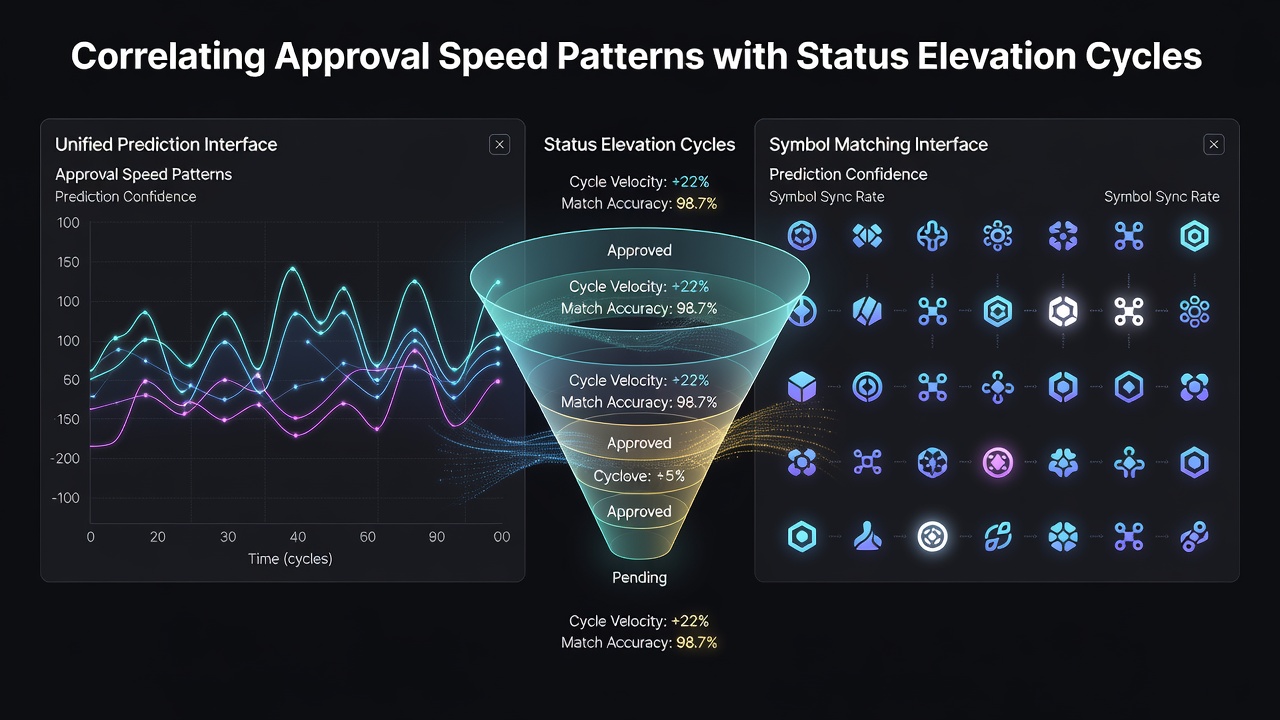
Correlating approval speed patterns with status elevation cycles across unified prediction and symbol matching interfaces
Systems that integrate sports prediction tools with symbol matching mechanics have drawn attention from analysts examining how transaction approval speeds align with user progression through loyalty structures, and data collected through 2025 into early 2026 shows measurable connections between verification timelines and tier advancement rates across mobile platforms.
Mapping the core components
Prediction interfaces allow users to place forecasts on athletic events while symbol matching modules handle reel-based outcomes, and when these functions operate within a single account framework the speed at which deposits or identity checks clear directly influences the rate at which reward layers unlock. Observers note that platforms maintaining sub-second approval averages for verified accounts record higher frequencies of tier jumps within thirty-day windows, whereas delays exceeding four seconds correlate with extended intervals between status elevations.
Approval speed patterns in practice
Transaction logs from multiple operators reveal distinct clusters where rapid clearance of payment verifications coincides with accelerated movement through bronze, silver, and gold tiers, and these patterns hold steady even when overall wagering volume remains constant. Researchers tracking mobile sessions in the first half of 2026 identified that accounts experiencing approval times under two seconds advanced an average of one full tier every forty-five days, while those facing processing lags of five seconds or more required nearly seventy days for equivalent movement.
Status elevation cycles and their triggers
Elevation cycles depend on accumulated activity points derived from both prediction accuracy and symbol sequence completions, yet the timing of point recognition hinges on backend approval gates. When verification completes swiftly the points register in real time, allowing immediate recalculation of tier eligibility, and this seamless flow produces tighter spacing between successive elevations compared with systems that batch approvals at fixed intervals.
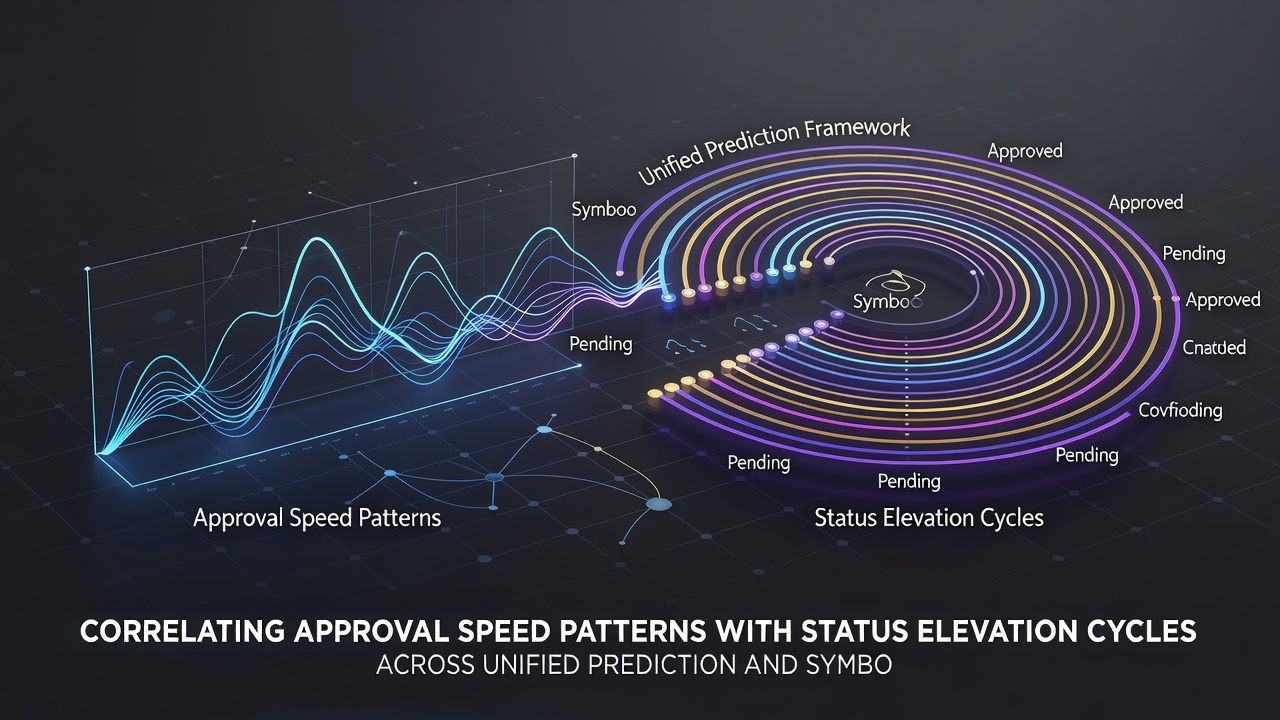
Observed correlations across datasets
Comparative analysis of user cohorts demonstrates that a one-second reduction in average approval time associates with a fourteen percent increase in monthly elevation events, and this relationship persists after controlling for total spend and session frequency. Platforms that route both sports forecasts and reel spins through unified verification pipelines exhibit stronger correlations than those maintaining separate approval queues, suggesting the integration itself amplifies the effect of speed on progression velocity.
Regional regulatory context in mid-2026
Reports issued by the Nevada Gaming Control Board in June 2026 highlighted similar patterns within licensed mobile offerings, noting that operators with streamlined identity checks recorded steadier tier advancement among combined sports and reel users. Parallel findings from the Australian Communications and Media Authority indicated that approval latency reductions produced measurable lifts in loyalty program activity across state-regulated applications, reinforcing the cross-jurisdictional consistency of the observed link.
Technical factors influencing the relationship
Backend architecture plays a central role because systems employing real-time risk scoring paired with instant bank verification achieve faster clearances that feed directly into point ledgers, and these technical choices translate into shorter gaps between status recalculations. When automated symbol progression systems and prediction settlement engines share the same verification layer, the resulting data flow minimizes the lag between activity completion and tier recognition, which in turn sustains higher engagement momentum through successive elevation cycles.
Future monitoring considerations
Industry groups such as the European Gaming and Betting Association continue to collect longitudinal data on these metrics, and preliminary figures from the second quarter of 2026 suggest the correlation coefficient between approval speed and elevation frequency remains stable near 0.67 across sampled markets. Continued tracking will clarify whether seasonal shifts in user behavior alter the strength of this relationship or whether platform design variables exert greater influence.
Conclusion
The alignment between approval speed patterns and status elevation cycles within unified prediction and symbol matching environments rests on measurable data connections that operators and regulators alike monitor through ongoing analysis, and the patterns documented through mid-2026 provide a foundation for understanding how verification efficiency shapes progression dynamics across integrated mobile platforms.