Crossover Mechanics Between Virtual Sports Events and Reel Progressions Driving VIP Advancements Across Secure Mobile Transaction Networks
Written by Olivia Keller · Jul 28, 2026
Crossover Mechanics Between Virtual Sports Events and Reel Progressions Driving VIP Advancements Across Secure Mobile Transaction Networks
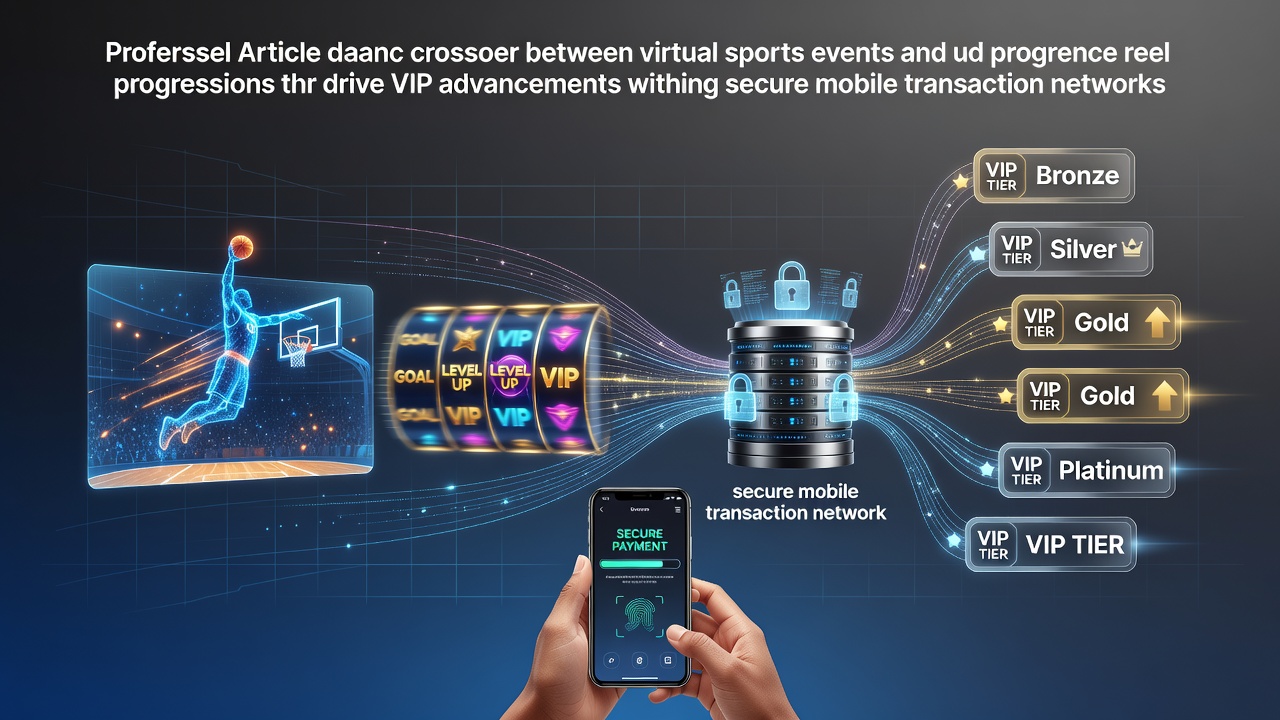
Virtual sports events integrate with reel progressions through mobile platforms where secure transaction networks process bets in real time, and these systems update cumulative loyalty metrics that determine VIP tier access. Data from July 2026 shows several operators recorded measurable increases in cross-activity participation when virtual soccer matches triggered symbol advancements on connected reel games.
Integration Points in Mobile Transaction Flows
Secure payment channels handle deposits and withdrawals while simultaneously logging activity across virtual event predictions and automated reel sequences, which allows the same transaction verification to feed both systems without separate authentication steps. Operators configure application programming interfaces so that a single wager on a virtual horse race can increment a progressive meter tied to slot symbol combinations, and this linkage relies on encrypted mobile networks that confirm each action within milliseconds.
Observers note that verification timelines directly influence how quickly players reach higher loyalty brackets, since faster confirmation of funds movement unlocks bonus multipliers that apply to both virtual event odds and reel spin values. In practice, platforms route these transactions through dedicated gateways that maintain separate ledgers for sports-style forecasts and reel-based progressions yet synchronize the resulting points into one VIP dashboard.
Mechanics Linking Virtual Events to Reel Advancements
Virtual sports simulations generate outcomes at fixed intervals, and each result can map to reel modifiers such as expanding wild symbols or multiplier ladders that advance only when the player has completed a qualifying mobile transaction. The crossover occurs because the same account balance supports both activity types, so a deposit processed over a secure channel immediately activates eligibility for the next virtual match while also crediting reel progression tokens.
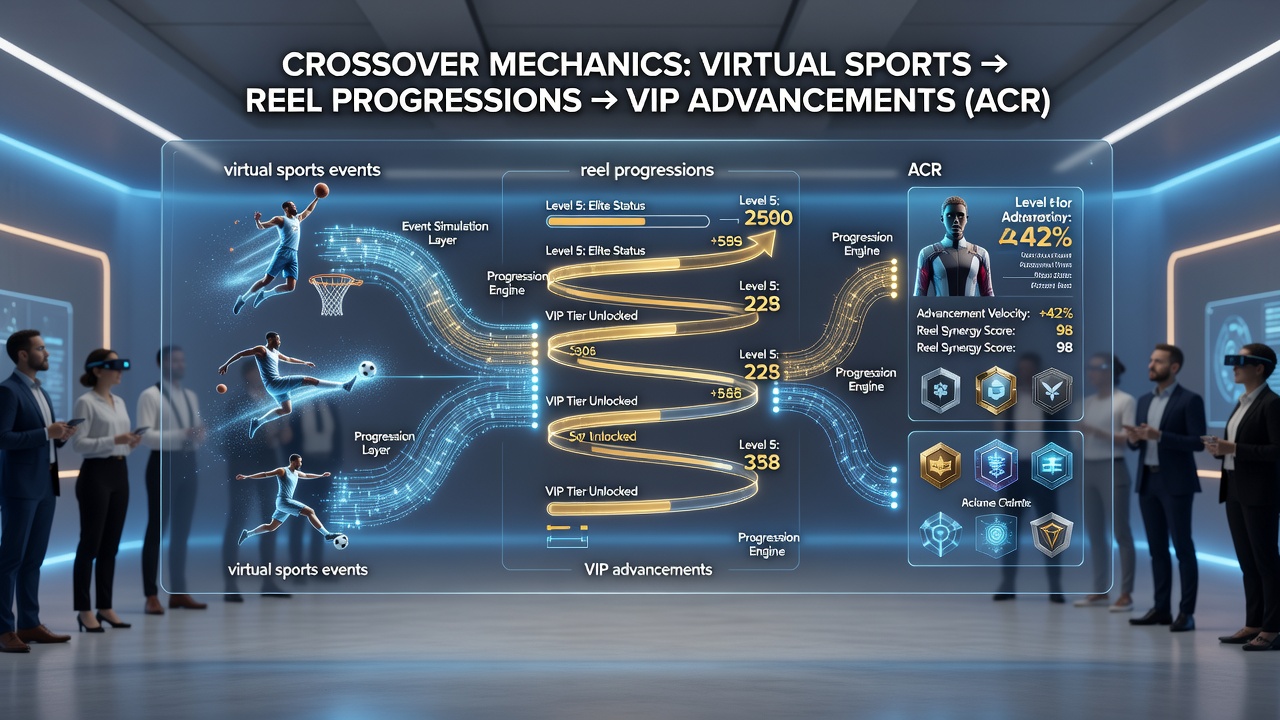
Research indicates that players who alternate between virtual event betting and reel sessions accumulate tier points at accelerated rates compared with those who focus on a single category. The underlying algorithm converts virtual event stakes into reel spin credits according to predefined ratios, and these credits then contribute to progressive jackpot pools that remain accessible only after the player satisfies mobile verification requirements.
VIP Tier Progression Through Combined Activity
Tier advancement depends on total handle across both verticals, with virtual sports wagers often carrying higher point multipliers because they incorporate real-time odds adjustments that reflect simulated market movements. Secure mobile networks transmit these wagers alongside reel spin data, enabling the loyalty engine to calculate combined progress without requiring players to switch applications or re-enter credentials.
Figures from multiple jurisdictions reveal that operators introduced hybrid reward structures in early 2026, where completion of a virtual sports prediction sequence automatically unlocks additional reel spins whose outcomes feed back into the same VIP meter. This closed loop reduces friction and keeps activity within the mobile environment, where transaction security protocols already authenticate each step.
Security Protocols Supporting Continuous Advancement
End-to-end encryption and tokenization protect the data streams that carry both virtual event results and reel progression updates, preventing unauthorized alterations to loyalty balances. Regulatory frameworks in several regions require operators to maintain auditable logs of every crossover transaction, and these records demonstrate how mobile payment velocity correlates with faster tier escalations.
One documented case involved a platform that linked virtual basketball simulations to five-reel progressives, resulting in players reaching platinum status after completing a sequence of verified mobile deposits that funded both activity types. The system recalculates eligibility thresholds nightly, incorporating data from the previous day’s virtual events and reel cycles to adjust the next day’s advancement targets.
Conclusion
Crossover mechanics continue to evolve as mobile transaction networks gain capacity to handle simultaneous virtual sports and reel data streams without latency. Current implementations show that secure verification remains the central requirement for converting activity in one category into measurable progress in the other, and this pattern is expected to persist through subsequent platform updates.