Navigating Intersections of Event Forecasts and Sequential Reward Mechanisms Across Portable Entertainment Systems
Written by Yves Friedrich · May 28, 2026
Navigating Intersections of Event Forecasts and Sequential Reward Mechanisms Across Portable Entertainment Systems
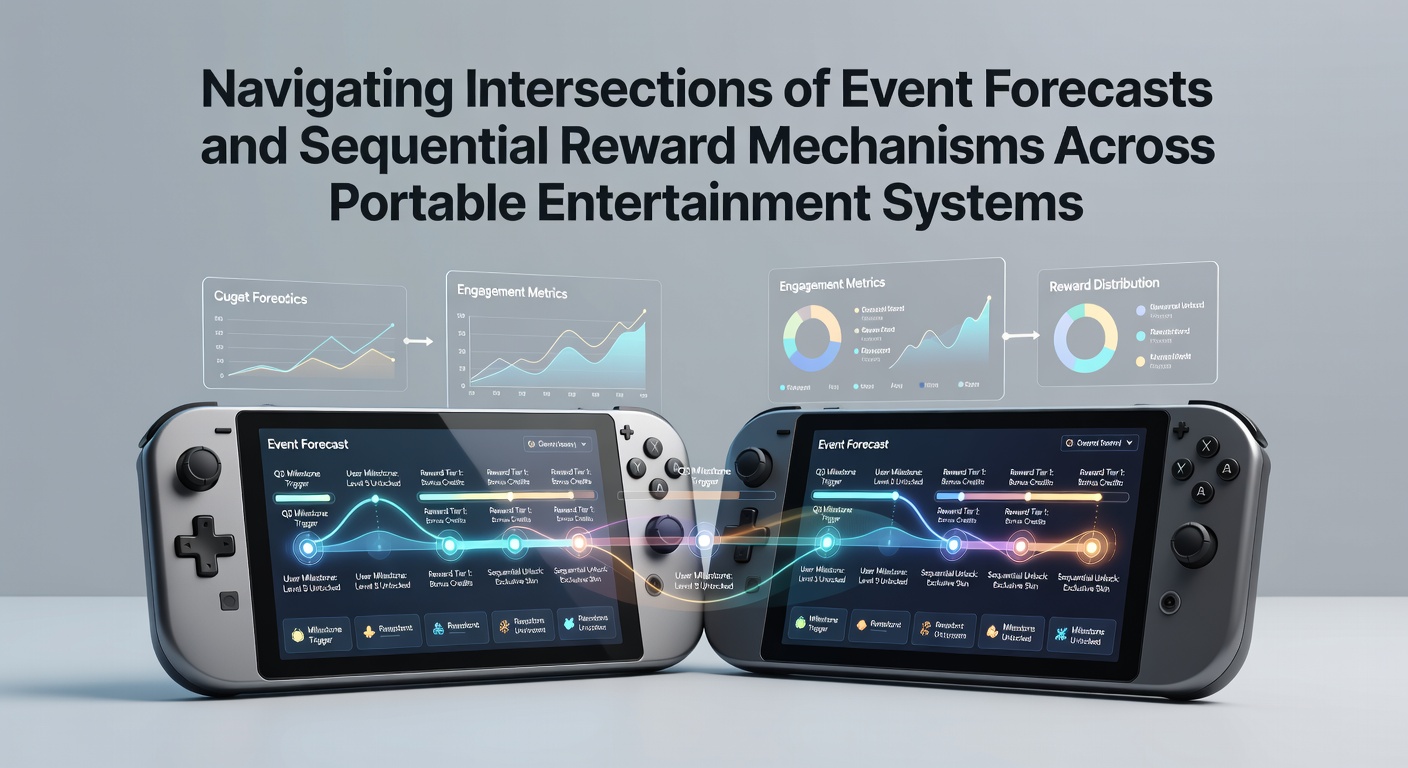
Portable entertainment systems have evolved to combine event forecasts with sequential reward mechanisms that guide user engagement across mobile platforms, and observers note these intersections shape how individuals interact with interactive content in real time. Data from industry reports show that applications on smartphones and tablets now integrate predictive models for upcoming events such as live performances or digital simulations while layering rewards that unlock progressively based on participation sequences.
Core Components of Event Forecasts in Portable Formats
Event forecasts within these systems rely on algorithmic processing of historical data and current inputs to project outcomes for entertainment events, and researchers at institutions across different regions have documented how mobile processors handle these calculations efficiently. According to findings from the Australian Bureau of Statistics on digital platform usage, users access forecast features through apps that update predictions continuously as new variables emerge during live sessions. Those forecasts often draw from user-generated inputs alongside external feeds, creating dynamic models that adjust as events unfold.
Portable devices enable these forecasts to operate with low latency because of optimized hardware, while software frameworks ensure compatibility across operating systems. Experts from the National Research Council Canada have highlighted integration patterns where forecast accuracy improves when systems incorporate real-time sensor data from the device itself, such as location or motion inputs.
Mechanics of Sequential Reward Systems
Sequential reward mechanisms function through structured progressions where initial actions trigger subsequent opportunities for additional incentives, and studies indicate these loops maintain engagement by spacing out rewards at defined intervals. Data shows that developers program these systems to require completion of forecast-related tasks before advancing to the next tier, thereby linking prediction accuracy with reward accumulation. Users encounter these mechanisms in applications that track participation history and adjust difficulty or payout rates accordingly.
Implementation often involves milestone tracking that resets or evolves based on event cycles, and evidence from academic analyses at European universities demonstrates measurable retention increases when rewards align closely with forecast outcomes. Portable entertainment systems handle this sequencing via cloud synchronization that preserves user progress across multiple devices without interruption.
Integration Patterns Observed in 2026
By May 2026, portable entertainment platforms had refined the overlap between forecasts and rewards through enhanced connectivity standards, and figures reveal wider adoption of hybrid models that merge predictive analytics with tiered incentive structures. Applications now present forecasts alongside progress bars that fill sequentially as users complete related activities, creating unified interfaces that reduce navigation friction. Industry organizations such as the Entertainment Software Association have tracked these developments across global markets, noting consistent growth in cross-platform functionality.
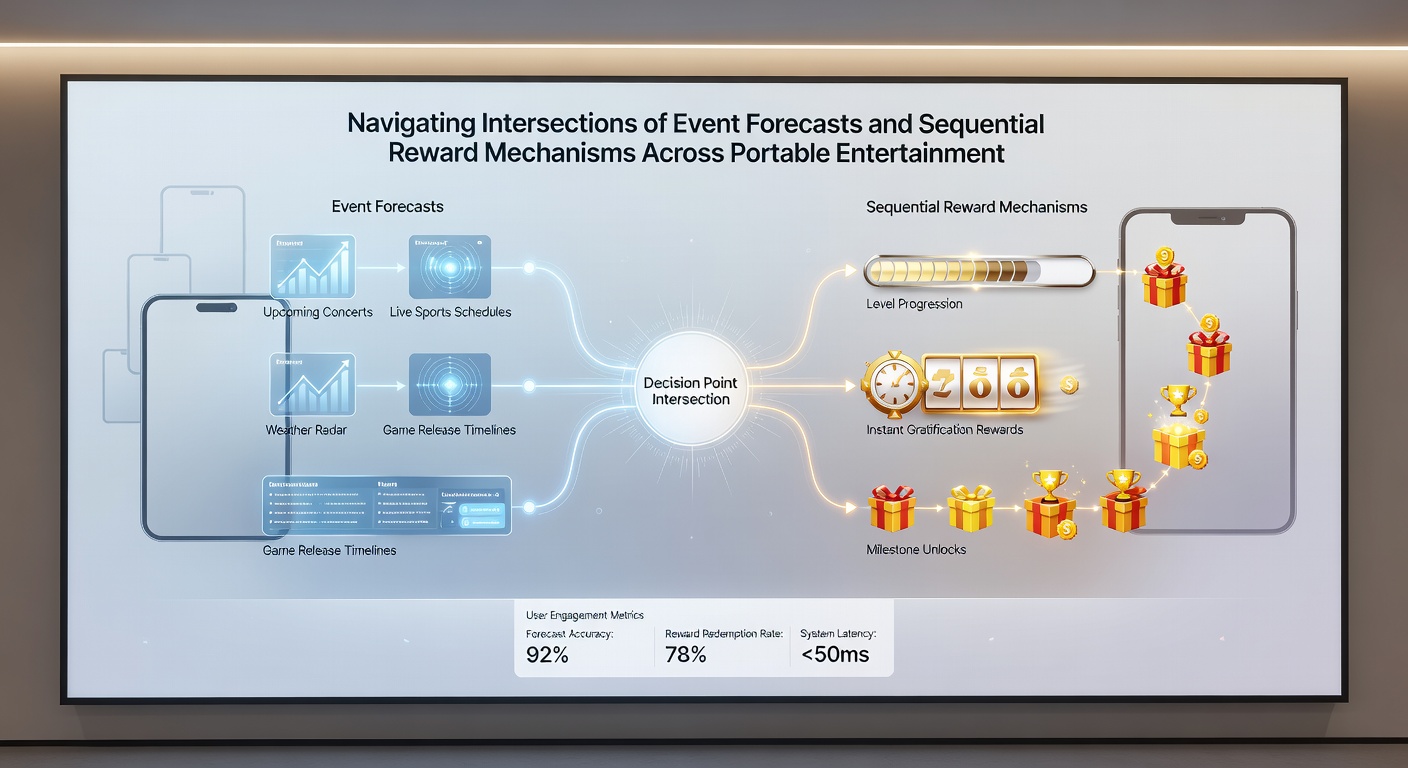
Developers achieve smoother intersections by embedding reward triggers directly into forecast visualizations, so that accurate predictions accelerate progression through reward stages. Observers note that this approach appears in various genres, from simulation titles to interactive media apps, where portable hardware supports the computational demands of both elements simultaneously.
Technical Considerations for Cross-Device Compatibility
Portable entertainment systems must address synchronization challenges when forecasts and rewards span multiple devices, and technical documentation from sources like the OECD digital economy reports outlines protocols that maintain data integrity during transfers. Cloud-based architectures store sequential progress centrally while allowing local processing of forecasts to minimize delays. Compatibility layers ensure that reward mechanisms remain consistent regardless of screen size or input method, preserving the intended flow of engagement.
Security protocols protect the linkage between forecast data and reward ledgers, preventing discrepancies that could disrupt user sequences. Research indicates that systems employing end-to-end encryption maintain higher reliability in these integrated environments, particularly when handling frequent updates during active events.
Conclusion
Portable entertainment systems continue to refine how event forecasts intersect with sequential reward mechanisms through ongoing technical and design advancements. Reports from varied regulatory and research bodies confirm that these integrations support sustained user interaction across devices while relying on established data practices. As platforms evolve, the documented patterns suggest further alignment between predictive features and progressive incentives will shape future mobile entertainment experiences.