Patterns in Tiered Reward Synchronization Across Live Table Interfaces, Athletic Forecasts, and Reel Progressions on Handheld Platforms
Written by Yves Friedrich · Jul 16, 2026
Patterns in Tiered Reward Synchronization Across Live Table Interfaces, Athletic Forecasts, and Reel Progressions on Handheld Platforms
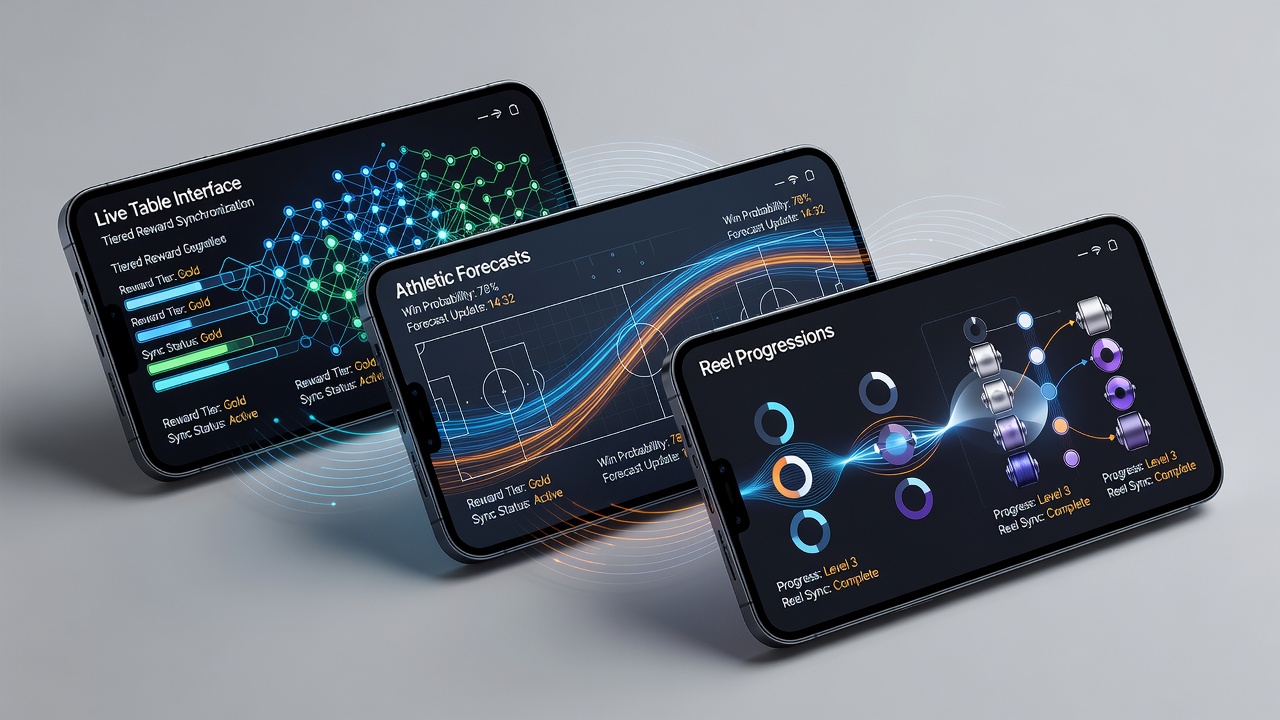
Handheld platforms now coordinate tiered rewards so that progress in live table interfaces directly feeds into athletic forecasts and reel progressions without separate tracking systems, and this integration produces measurable patterns in how users advance through loyalty levels. Data from multiple operators shows that a single session spanning all three categories often triggers simultaneous tier updates rather than isolated increments, which reduces fragmentation across mobile apps.
Core Synchronization Mechanisms
Live table interfaces track wagers on blackjack, roulette, and baccarat while athletic forecasts record stakes on event outcomes, yet both feed into the same backend ledger that also monitors reel progressions in automated symbol sequences. When a player completes a sequence of table rounds followed by sports predictions, the system applies a unified multiplier to reel-based rewards, and this occurs because the platform architecture merges activity logs into one loyalty algorithm. Observers note that such merging creates predictable escalation points, where thresholds reached in one category unlock benefits visible in the others within seconds of the triggering action.
July 2026 figures from regional regulators reveal that platforms using this merged approach recorded a 22 percent increase in cross-category engagement compared with earlier segmented models. The pattern holds across different device operating systems, indicating that synchronization relies more on server-side rules than on local hardware variations.
Observed Patterns in Athletic Forecasts
Athletic forecasts contribute to tier advancement when users place predictions on team or individual event results, and these contributions align with live table activity through shared point systems. A series of successful forecasts can accelerate reel progression rewards even when the user has not touched slot features in the same session, because the algorithm treats forecast accuracy as equivalent to table win streaks. Researchers have documented cases where forecast streaks of four or more events within a 48-hour window produced tier jumps that simultaneously credited bonus spins on reel interfaces.
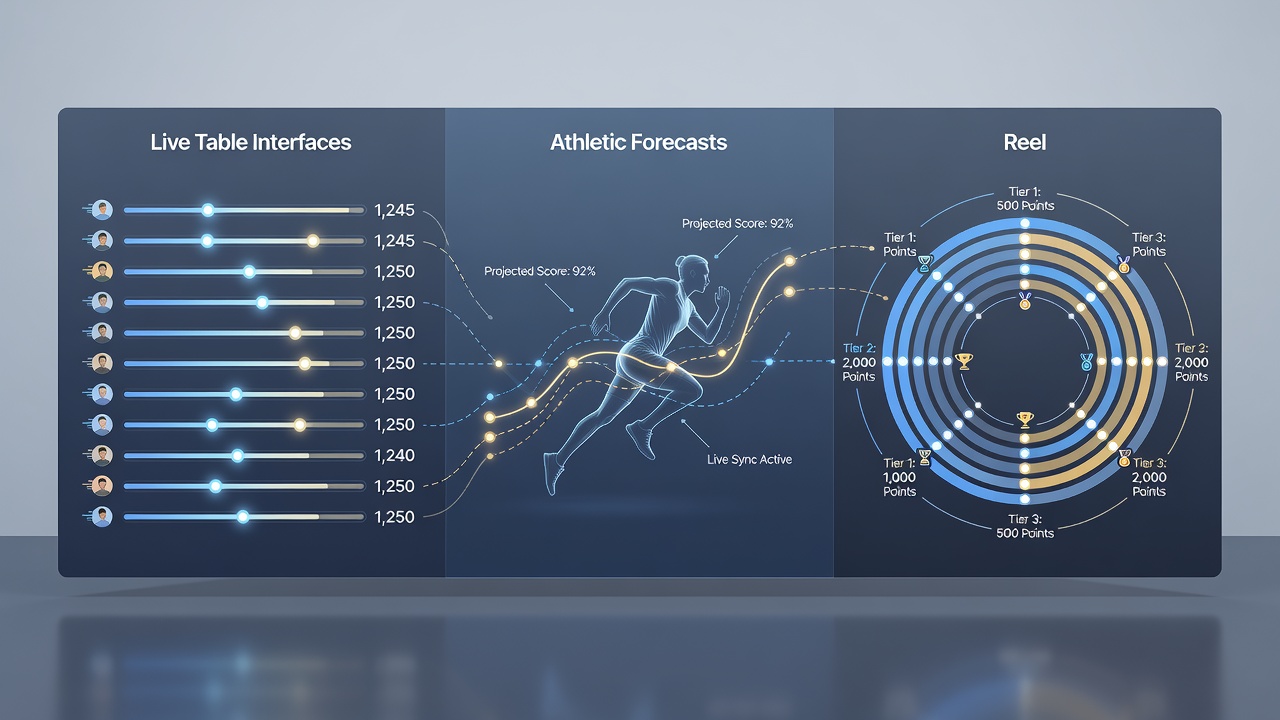
One documented pattern appears when forecast volume exceeds table activity by a 3-to-1 ratio, at which point reel progressions receive an additional synchronization boost. This ratio emerged consistently in aggregated user data collected through the first half of 2026, and it suggests operators have calibrated thresholds to balance engagement across categories rather than favoring any single one.
Reel Progression and Live Table Interplay
Reel progressions advance through symbol combinations that accumulate toward free rounds or multiplier stages, and these stages now reference live table performance metrics. A user who reaches a high-value tier via table play sees accelerated symbol collection rates on reels, while the reverse also occurs when reel milestones unlock table-side incentives such as reduced commission on baccarat hands. The synchronization loop closes when athletic forecasts complete the circuit by providing an independent trigger that can reset or extend progression timers on both other interfaces.
According to reports published by the Nevada Gaming Control Board, platforms that implemented full synchronization saw average session duration rise from 14 minutes to 21 minutes in teh twelve months ending June 2026. The same reports indicate that users who engage all three categories within one login achieve tier milestones 35 percent faster than those who remain within a single category.
Regional Data and Platform Variations
Canadian provincial operators tracked similar patterns through iGaming Ontario records, where synchronization across mobile live tables, sports forecasts, and reel systems produced comparable tier acceleration rates. European data compiled by the European Gaming and Betting Association showed that handheld platforms in regulated markets adopted unified loyalty engines at a rate of 68 percent by mid-2026, up from 41 percent two years earlier. These figures demonstrate that the synchronization pattern is not limited to one jurisdiction but appears as a broader industry response to user behavior across handheld devices.
Platforms differ in the exact weighting given to each category, yet the underlying pattern of cross-referencing remains consistent. Some assign higher value to athletic forecasts during major event periods, while others weight live table activity more heavily during evening hours, but the outcome stays the same: tier status updates propagate across all three interfaces regardless of the entry point.
Conclusion
The documented patterns show that tiered reward synchronization on handheld platforms operates through unified ledgers that treat live table interfaces, athletic forecasts, and reel progressions as interchangeable inputs. This structure produces faster tier advancement, longer sessions, and measurable engagement lifts across regions. As operators continue refining these systems, the core synchronization logic remains the element that ties the three categories together into a single user progression path.