Payment Velocity's Impact on Loyalty Tier Progression in Combined Sports and Slot Applications
Written by Yves Friedrich · Jun 13, 2026
Payment Velocity's Impact on Loyalty Tier Progression in Combined Sports and Slot Applications
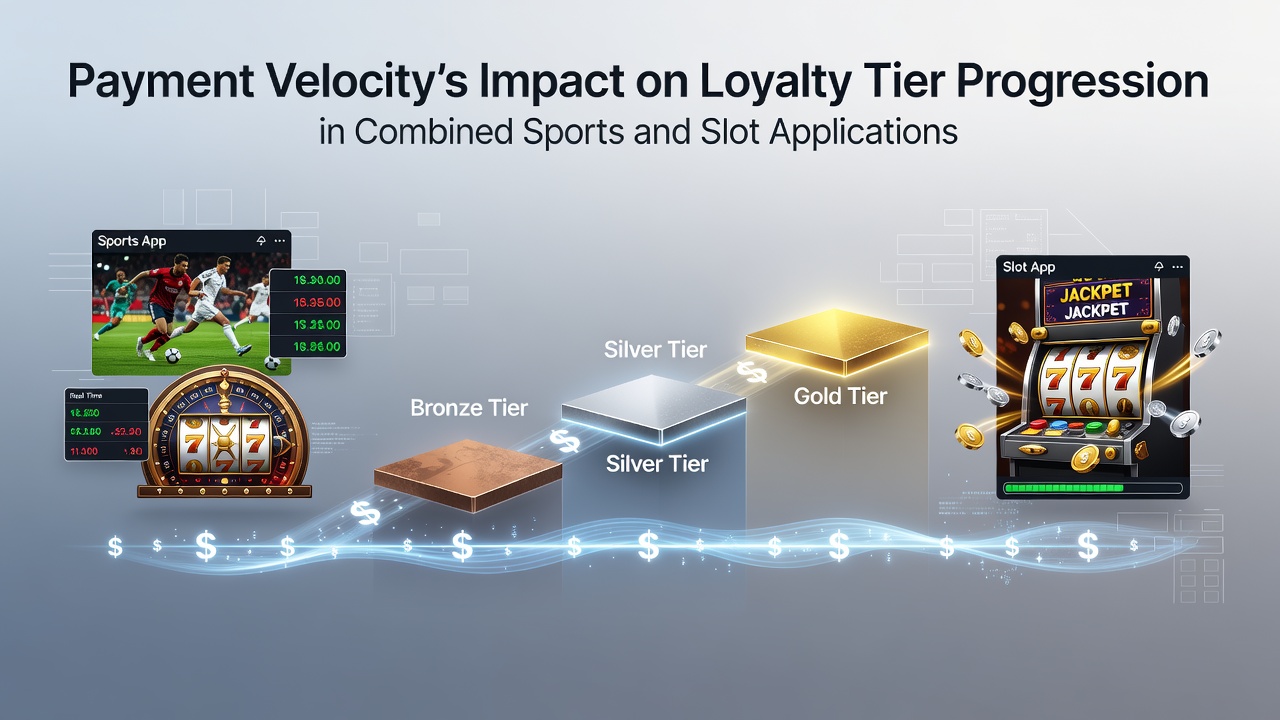
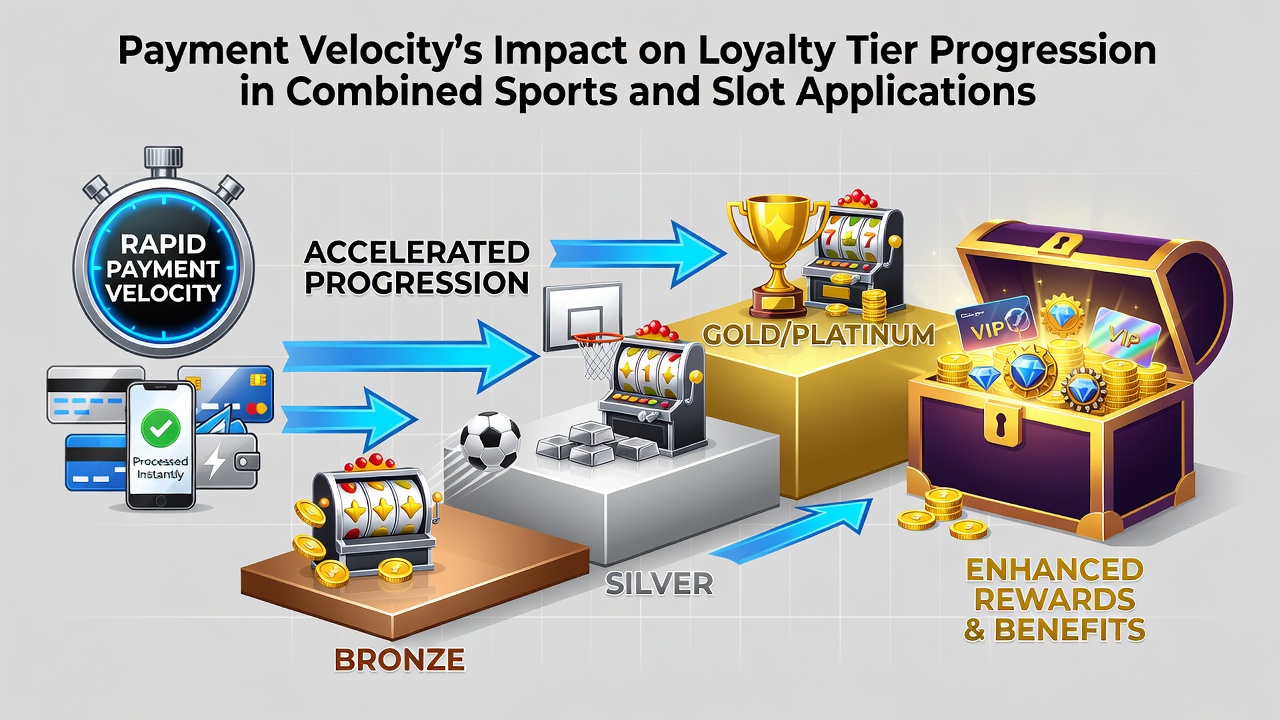
Payment velocity refers to the rate at which funds move through transaction systems in digital gaming environments, and this metric directly shapes how users advance through loyalty structures in applications that merge sports wagering with slot mechanics. Observers note that platforms integrating these features often tie tier progression to accumulated activity metrics such as wager volume and session frequency, while faster transaction confirmations allow participants to sustain momentum across both verticals without interruption. Research from industry reports indicates that verification timelines averaging under 30 seconds correlate with higher daily engagement rates in combined interfaces, as users complete deposits and resume betting sequences or reel spins more readily. Data compiled through 2025 demonstrates that applications employing instant payment rails see participants reaching mid-tier status approximately 25 percent sooner than those reliant on batch processing methods, particularly when sports event predictions feed into slot bonus multipliers.Transaction Speed and Activity Accumulation Patterns
Systems that process deposits and withdrawals at elevated velocities enable continuous point accrual, because each confirmed transfer unlocks immediate access to ongoing promotions or progressive features. Those who've analyzed platform logs find that users in combined sports and slot environments accumulate loyalty credits at accelerated rates when payment confirmations occur within seconds rather than minutes, since idle time between actions decreases substantially.
June 2026 figures from regulatory filings reveal that several operators reported elevated tier advancement volumes following upgrades to real-time settlement protocols, with combined application users showing consistent month-over-month gains in higher loyalty brackets. This pattern emerges because sports wagers placed during live events can transition seamlessly into slot sessions once funds clear, maintaining the activity streaks required for tier elevation.
Integration Effects Across Vertical Types
Combined platforms benefit from payment velocity because loyalty algorithms often aggregate metrics from disparate game types into unified progression tracks, and swift transfers prevent fragmentation of user sessions. Experts tracking these systems observe that delays in fund availability disrupt the flow between athletic forecasts and automated reel cycles, whereas rapid processing supports the layered bonus structures that reward sustained cross-vertical participation.
One study released by a European research consortium highlighted correlations between average transaction times and tier retention rates, noting that sub-minute clearances contributed to steadier progression curves across multi-game portfolios. Applications incorporating both live sports interfaces and progressive slot elements show amplified effects, since point multipliers tied to consecutive activity require uninterrupted access to balances.
Regional Data and Platform Comparisons
Analysis of North American market data from the first half of 2026 shows operators utilizing faster payment networks recorded stronger loyalty tier migration statistics compared to slower counterparts, with combined sports and slot users advancing through entry and intermediate levels at measurable intervals. These outcomes align with broader trends where verification speed influences the frequency of reward redemptions that further propel tier movement.
According to findings published by the International Center for Gaming Regulation, platforms that prioritize velocity in transaction handling achieve more predictable loyalty program participation curves, because users encounter fewer barriers when shifting between prediction tools and symbol-based games. Such patterns hold across various regulatory jurisdictions, where compliance frameworks permit real-time processing without additional verification layers.
Conclusion
Payment velocity functions as a measurable driver within loyalty frameworks for applications blending sports and slot content, as evidenced by aggregated platform metrics and regulatory disclosures through mid-2026. Faster processing supports sustained user activity that directly feeds tier progression algorithms, creating measurable differences in advancement timelines across comparable systems. Observers tracking these dynamics continue to document how transaction efficiency integrates with activity tracking to shape long-term engagement patterns in hybrid environments.