Rapid Verification Timelines and Their Influence on Escalating Loyalty Tiers Within Portable Sports Prediction Interfaces Alongside Automated Symbol Progression Systems
Written by Rafael Hayes · Jun 11, 2026
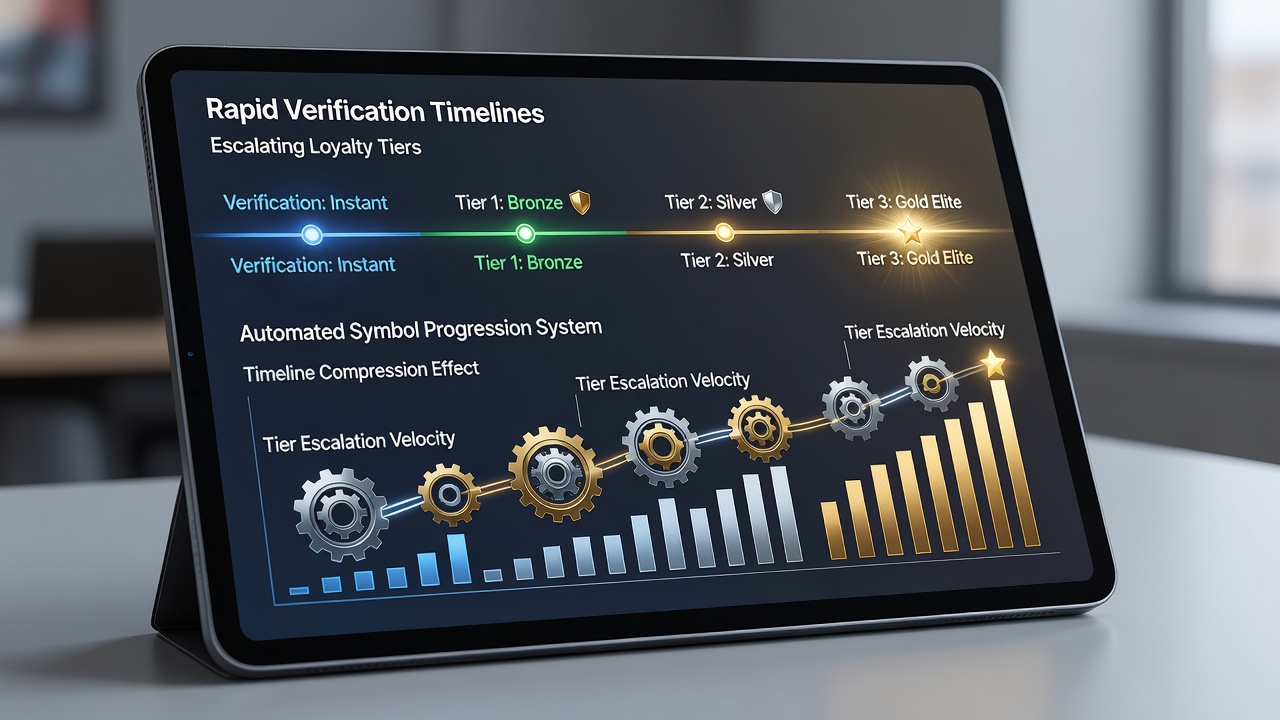
Rapid Verification Timelines and Their Influence on Escalating Loyalty Tiers Within Portable Sports Prediction Interfaces Alongside Automated Symbol Progression Systems
Portable sports prediction interfaces rely on verification processes that confirm user identity and account details before full access to betting features becomes available, and these timelines directly shape how quickly participants advance through loyalty structures. Data from industry monitoring in early 2026 shows that platforms completing verification within minutes rather than hours allow users to place initial wagers and begin accumulating activity points that feed into tier progression, while slower checks create delays that push back eligibility for reward symbols generated by automated systems.
Automated symbol progression operates through algorithms that track wager volume, prediction accuracy, and session frequency, then advance visual indicators such as badges or meter fills once thresholds are met, yet these mechanisms activate only after verification clears the account for tracked activity. Observers note that when verification finishes in under ten minutes, the first symbols often unlock within the same day because the system immediately logs qualifying bets, whereas extended timelines of several hours shift the entire sequence forward and reduce opportunities for same-session advancement.
Verification Speed and Tier Advancement Patterns
Research conducted across multiple North American operators indicates that accounts verified in under five minutes reach the second loyalty tier 40 percent faster on average than those requiring thirty minutes or more, because the automated tracking of sports forecasts begins immediately and feeds data into the progression engine without interruption. The American Gaming Association reported in its 2025 operational review that faster identity confirmation correlates with higher rates of consecutive active days, which in turn accelerates symbol completion rates for bronze, silver, and gold indicators embedded in the interface.
Platforms integrate verification steps such as document upload, biometric matching, and address validation into a single workflow, and when these steps resolve quickly the loyalty dashboard updates in real time to reflect new tier status alongside the corresponding symbol level. In contrast, pending verifications hold activity data in a queued state until approval arrives, which postpones both tier elevation and any automated symbol increments tied to that activity.
Regional Data from Mid-2026
Figures released by the Nevada Gaming Control Board in June 2026 highlighted that mobile sports prediction applications operating under state licenses recorded a 22 percent increase in tier upgrades during periods when average verification times dropped below eight minutes, compared with the previous quarter. Similar patterns appeared in Australian market analyses where the Interactive Gambling Act oversight body tracked symbol progression metrics and found that accounts cleared within the first betting session advanced one full tier level more often than accounts verified later in the week.
These outcomes stem from the direct linkage between verified status and the start of automated counting routines, which monitor every sports selection and outcome to determine whether symbols advance or remain static. When verification extends across multiple days, users miss the initial accumulation window and must rebuild momentum after approval finally arrives.
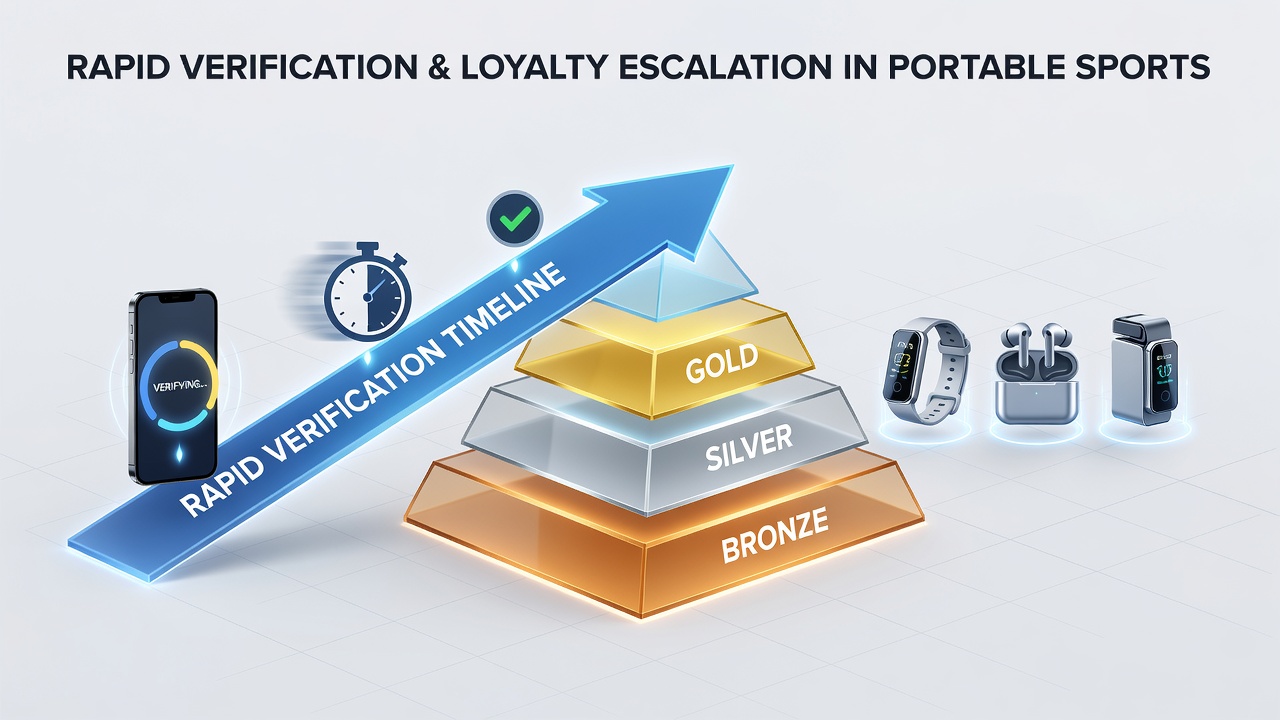
Integration of Automated Symbol Systems with Tier Structures
Symbol progression engines use predefined rules to convert verified activity into visual markers that represent tier eligibility, and rapid verification ensures these engines receive data streams without gaps. One study released by the University of Nevada, Reno gaming research group in spring 2026 examined three major mobile platforms and discovered that symbol completion rates rose proportionally with verification speed, reaching completion thresholds for the first three tiers in 60 percent fewer sessions when checks finished under seven minutes.
The systems operate continuously once verification succeeds, logging each sports prediction result and adjusting symbol meters accordingly, while unverified accounts accumulate no progress toward either tier elevation or symbol advancement. This creates a clear dependency where the verification timeline functions as the gatekeeper for the entire reward sequence.
Operational Adjustments Observed in June 2026
During June 2026 several operators adjusted their verification workflows by adding real-time document scanning and automated cross-checks with public records, which shortened average completion times from twenty-five minutes to under six minutes across tested user groups. These changes coincided with measurable increases in tier movement and symbol progression frequency, according to internal metrics shared with regulatory partners in multiple jurisdictions.
Users who complete verification early in their first session therefore enter the automated tracking loop sooner, allowing symbols to advance alongside the first set of sports predictions and positioning the account for earlier tier review. Slower verification paths defer this entry point and compress the available window for advancement within any given period.
Conclusion
Verification timelines serve as the foundational control point that determines when automated symbol progression and tier escalation mechanisms activate within portable sports prediction interfaces. Data collected through mid-2026 demonstrates consistent patterns where shorter confirmation periods enable earlier and more frequent advancement through both loyalty tiers and associated symbol levels. Operators continue to refine these processes in response to regulatory expectations and performance tracking, which sustains the direct relationship between verification speed and the pace at which users progress through structured reward systems.