Sequence Analysis of Verification Timeframes and Resulting Loyalty Benefits in Handheld Applications for Dealer Games, Sports Wagers, and Jackpot Machines
Written by Gisela Krüger · Jul 21, 2026
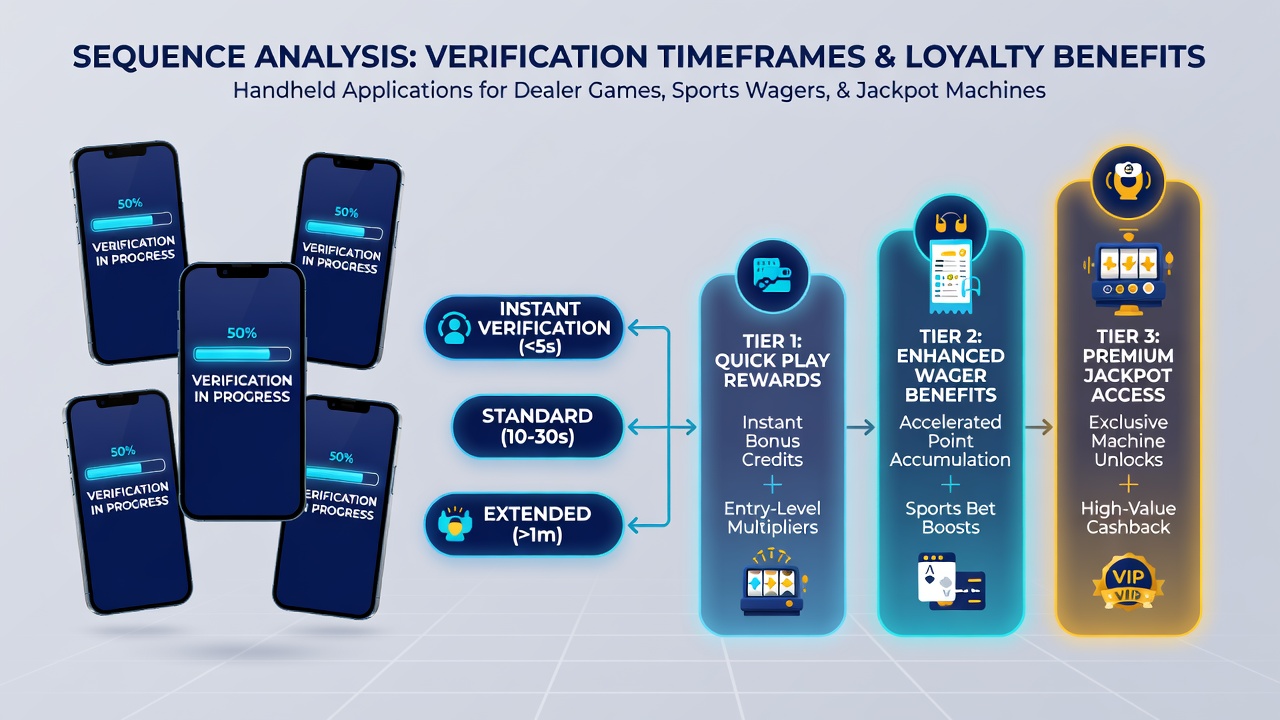
Sequence Analysis of Verification Timeframes and Resulting Loyalty Benefits in Handheld Applications for Dealer Games, Sports Wagers, and Jackpot Machines
Handheld applications handling dealer games, sports wagers, and jackpot machines rely on structured verification sequences that determine how quickly users access loyalty programs. These sequences typically begin with identity checks followed by payment validation and account activation steps, each one feeding directly into the next. Data from multiple operators shows that shorter verification windows correlate with faster entry into tiered reward structures, particularly when users engage across live dealer tables, athletic event predictions, and progressive reel systems.
Verification Sequence Components in Portable Platforms
Sequence analysis breaks down verification into distinct stages including document upload, biometric confirmation, and transaction approval. Each stage carries measurable time intervals that operators track through backend logging systems. When these intervals compress, users reach loyalty dashboards sooner and begin accumulating points from initial bets or spins. Observers note that platforms processing the full sequence under five minutes report higher rates of immediate tier advancement compared with those extending beyond fifteen minutes.
July 2026 figures from North American gaming regulators indicate continued emphasis on streamlined identity protocols across mobile channels. These protocols feed into reward engines that assign status levels based on verified activity volume rather than simple registration alone. Sports wager modules often trigger the first loyalty credits after verification completes, while dealer game sessions and jackpot cycles build additional layers once the account activates fully.
Impact on Dealer Games and Live Table Environments
Live dealer interfaces within handheld apps connect verification completion directly to table access and associated loyalty multipliers. Faster sequences allow participants to join sessions and qualify for real-time point accrual during play. Research from industry monitoring groups reveals that applications completing verification in under three minutes see increased session lengths in live dealer formats, because users avoid delays that previously interrupted engagement flow.
Point systems in these environments frequently scale rewards according to verified bet sizes, creating a direct link between verification speed and long-term status elevation. When the sequence finishes early, players enter loyalty cycles that include cashback percentages and exclusive table invitations sooner than those experiencing extended checks.
Sports Wager Integration and Tier Progression
Sports prediction features in the same applications apply verification timelines to unlock progressive loyalty tiers tied to event outcomes. Analysts tracking portable wagering data find that accounts verified within tight windows accumulate prediction points at accelerated rates, leading to earlier access to higher payout multipliers. This pattern holds across major leagues and international competitions where users place repeated wagers after initial approval.
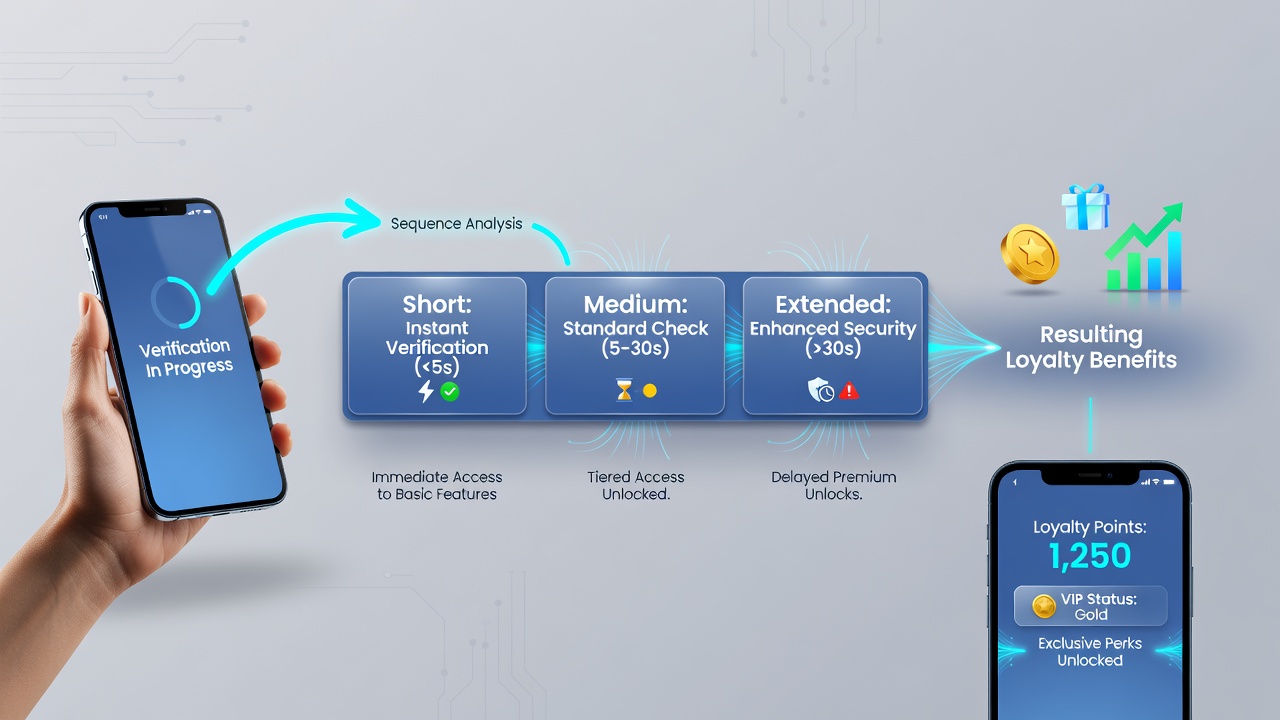
Operators integrate these sequences with external data feeds to confirm user eligibility before releasing tier benefits. According to reports from the Nevada Gaming Control Board, mobile sports platforms that reduce verification intervals demonstrate measurable growth in sustained user participation through mid-2026. The resulting loyalty structures reward consistent verified activity with escalating perks such as enhanced odds and promotional credit bundles.
Jackpot Machine Cycles and Reward Layering
Automated reel mechanisms in jackpot applications follow similar verification pathways that determine when loyalty features activate. Sequence analysis shows that rapid approval enables immediate entry into progressive pools and associated status tracks. Data collected across multiple jurisdictions indicates users completing verification quickly reach bonus spin allocations and tiered jackpot contributions ahead of slower counterparts.
Those who studied these systems note that jackpot loyalty often compounds through repeated verified spins, with each cycle feeding back into the overall status calculation. Platforms that maintain consistent short verification periods report steadier progression rates through loyalty levels, especially when users combine reel activity with sports and dealer sessions on the same account.
Cross-Platform Loyalty Dynamics
Handheld applications serving all three categories create unified loyalty frameworks where verification sequences influence combined reward pathways. A single completed sequence can unlock tier benefits that apply simultaneously to dealer tables, sports forecasts, and jackpot progressions. Figures released by the Australian Gambling Research Centre highlight how integrated mobile systems track cross-category activity to adjust loyalty parameters dynamically once verification clears.
Operators monitor these interactions through sequence mapping tools that identify bottlenecks and optimize flow. The result appears in tier structures that advance more predictably when verification timeframes remain short and consistent across user cohorts.
Conclusion
Sequence analysis of verification timeframes demonstrates clear connections to loyalty benefit delivery in handheld applications covering dealer games, sports wagers, and jackpot machines. Shorter intervals enable earlier tier entry and point accumulation, while extended processes delay access to the same reward layers. As of July 2026, regulatory and industry data continue to track these patterns across regions, showing how verification efficiency shapes ongoing user progression within unified mobile environments.